Why Insulation is Your Home's Best Friend for Winter Comfort
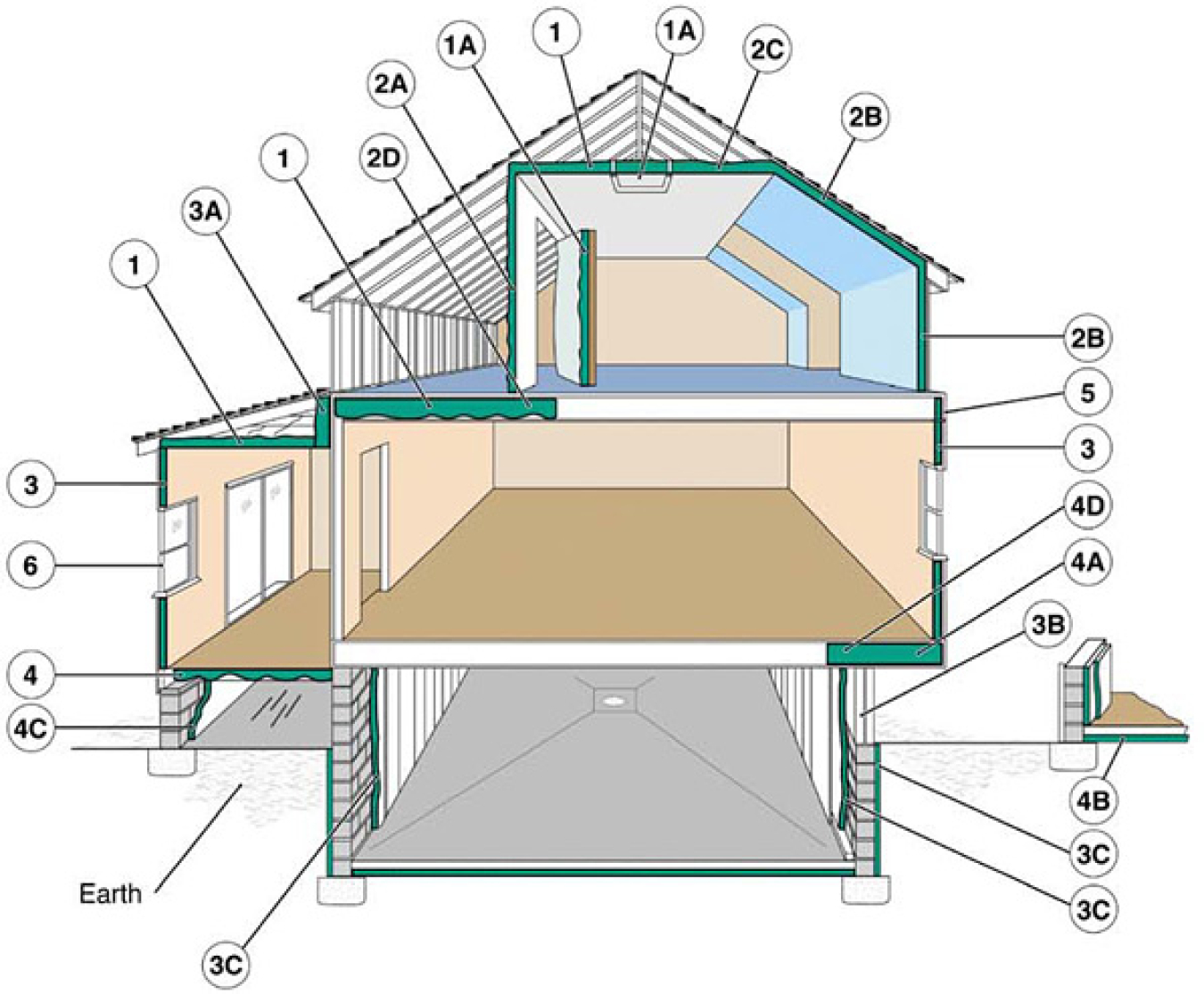
As winter approaches, many homeowners start to dread the rising energy bills and chilly drafts that can invade even the coziest of living spaces. Fortunately, insulation serves as your home's best friend during the cold months, playing a crucial role in maintaining comfortable indoor temperatures. Not only does proper insulation prevent heat from escaping, it also keeps the cold air at bay, ensuring that your home remains warm and inviting. This is especially important for areas like attics and basements, where significant heat loss can occur. For more on the benefits of insulation, check out Energy Saver.
In addition to enhancing comfort, investing in quality insulation can lead to substantial energy savings. Homeowners can reduce their reliance on heating systems, which can translate into lower energy costs and a smaller carbon footprint. Moreover, with energy-efficient insulation, your home may even qualify for rebates or incentives, making it a smart financial decision. To delve deeper into how insulation impacts energy efficiency, read on EPA's Green Home page.
Top 5 Signs Your Home Needs a Cozy Insulation Upgrade
As the seasons change, being aware of your home's insulation is crucial for maintaining comfort and energy efficiency. Here are the Top 5 Signs Your Home Needs a Cozy Insulation Upgrade:
- Inconsistent Temperatures: If you notice significant temperature differences between rooms, it may indicate that your insulation isn't doing its job. This inconsistency can lead to higher energy bills as your heating and cooling systems work harder to maintain a comfortable climate.
- Draughts: Feelings of cold air seeping through windows, doors, or even walls are a sure sign that your insulation is inadequate. Sealing these areas can make a big difference. For more information on how to identify air leaks, visit Energy.gov.
- High Energy Bills: A sudden spike in your energy costs is often linked to poor insulation. Upgrading your insulation can help you save on heating and cooling expenses in the long run. Check out ENERGY STAR for tips on improving energy efficiency.
- Mold or Moisture Issues: If you find mold growth or excessive moisture in your home, it could be due to insufficient insulation. Good insulation helps to regulate temperature and humidity levels, preventing these problems from arising.
- Noise Pollution: If outside noise seems to permeate your home more than it should, it may be time to consider an insulation upgrade. Quality insulation not only keeps your home warm but also helps dampen sound. For additional resources on soundproofing, visit Acoustics.com.
How Proper Insulation Can Reduce Your Energy Bills and Increase Comfort
Proper insulation is a crucial factor in maintaining a comfortable home environment while also significantly reducing your energy bills. Insulation helps to regulate temperature by slowing the transfer of heat through walls, ceilings, and floors. With effective insulation, your heating and cooling systems don't have to work as hard, which translates to lower energy consumption. According to the U.S. Department of Energy, well-insulated homes can save around 15% on heating and cooling costs each year. This not only helps homeowners save money but also contributes to environmental sustainability by reducing overall energy demand.
In addition to financial savings, proper insulation plays a vital role in enhancing the comfort of your living spaces. It aids in maintaining a consistent temperature throughout the house, eliminating cold drafts in winter and keeping indoor spaces cooler during the summer months. Furthermore, high-quality insulation also acts as a sound barrier, reducing noise pollution from the outside. Homeowners can enhance their comfort levels significantly by investing in insulation. For more information on how to choose the right insulation, you can refer to Energy Saver.